
Vacuum Packaging
Meat Aging in a Vacuum
Wet aging in vacuum bags is how most premium beef reaches supermarkets and restaurants. Here's how it works, how long to do it, and why it produces consistently tender results without the waste of traditional dry aging.
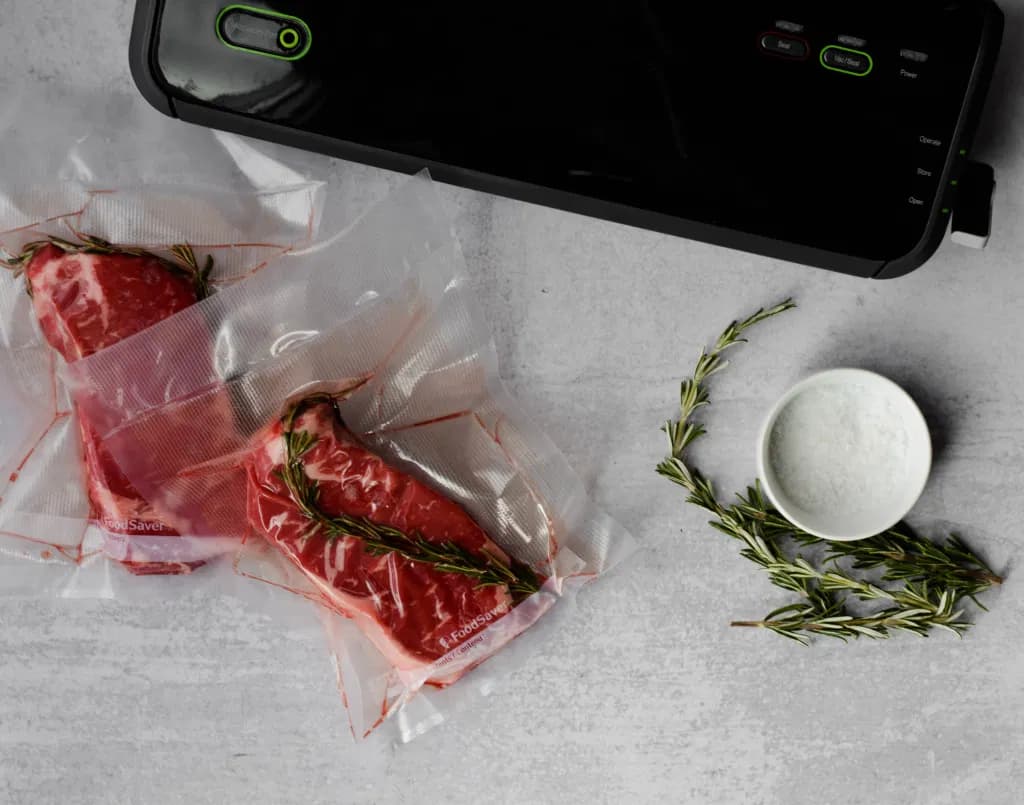
What Is the Difference Between Wet Aging and Dry Aging?
The steak world is sometimes divided into dry aging enthusiasts and wet aging proponents. The truth is they're different processes with different strengths:
| Factor | Dry Aging | Wet Aging (Vacuum) |
|---|---|---|
| Tenderness | Excellent | Excellent |
| Flavour intensity | Very strong, nutty, complex | Clean, true beef flavour |
| Weight loss | 15–25% | Near zero |
| Equipment needed | Dedicated cold room / dry ager | Standard fridge + LAVA machine |
| Risk of failure | Higher (surface mould, temperature) | Lower (sealed environment) |
| Time required | 21–45 days optimal | 7–14 days produces excellent results |
| Cost | Higher (waste + equipment) | Lower (sealed, no waste) |
| Best for | Intense flavour seekers | Everyday premium results |
How Does Vacuum Aging Improve Meat Flavour and Tenderness?
Meat contains natural enzymes — primarily calpains and cathepsins — that continue working after slaughter. Their job is to break down the proteins in muscle fibres. In normal storage conditions, they work slowly. In a sealed, temperature-controlled environment, they work at an optimal rate.
Vacuum sealing creates the ideal conditions for these enzymes:
- No oxygen — prevents oxidation and surface spoilage while enzymes work
- Consistent moisture — the meat stays in its own juices, which contain the enzymes
- Controlled environment — temperature is the only variable to manage
The result after 7–14 days is meat that is measurably more tender and has a cleaner, more concentrated natural beef flavour — without any of the “funky” notes that can develop in poorly managed dry aging.
How Do You Wet Age Meat With a Vacuum Sealer?
Buy fresh beef from a reputable butcher. Ask for cuts that haven't been previously frozen or stress-chilled. Pat dry and vacuum seal immediately with no marinades or salt. Label with date.
Fridge at 0–2°C. The bag will appear very tight — this is correct. The meat may release some liquid — also correct. Do not open.
You may notice slight colour change from bright red to a darker, more complex red. This is myoglobin reduction — normal and positive. Tenderness improvement begins to be noticeable.
Optimal window for most home cooks. Excellent tenderness, clean flavour. Remove, pat completely dry, rest 45 minutes before cooking.
For enthusiasts wanting more development. Still safe if temperature has been consistent. Flavour becomes more pronounced. Recommended for rib-eye and T-bone only — leaner cuts don't benefit as much at this stage.
How Should You Age Game Meat in South Africa?
Wild game responds exceptionally well to wet aging. Venison is very lean — the enzyme action that creates tenderness is more noticeable on lean meat than on well-marbled beef. A vacuum-aged blesbok backstrap after 10 days is a revelation compared to the same cut cooked immediately after hunting.
- Hang the carcass 24–48 hours at 0–4°C before processing and sealing
- Seal individual portions and age in fridge for 7–14 days
- Cook at medium-rare (55–58°C) — game dried out is game wasted
- For long-term storage after aging: freeze sealed — the aging “locks in” when frozen