
Vacuum Packaging
Dry Aging Beef at Home
Dry-aged steak at a restaurant costs R400–R600 per portion. The process at home costs the price of the beef plus some fridge space and patience. Here's everything you need to know.
What Is Dry Aging?
Dry aging is the process of storing beef (or other meats) in a controlled environment for an extended period — typically 21 to 45 days — to allow enzymatic breakdown of muscle fibres and moisture evaporation. The result is:
- Intensified beef flavour — moisture loss concentrates the flavour compounds
- Exceptional tenderness — natural enzymes break down muscle fibres over time
- Complex nutty, buttery notes — unique flavour compounds develop during aging
Traditional Dry Aging
- • Entire primals in dedicated cold room
- • 21–45 days at 0–2°C with airflow
- • 15–25% weight loss to evaporation
- • Surface crust must be trimmed
- • Requires dedicated equipment
Home Fridge Method
- • Works on individual steaks or cuts
- • 5–14 days produces excellent results
- • Minimal weight loss
- • No trimming required if done correctly
- • Your existing fridge is the equipment
Method 1: Dry Aging in the Fridge (No Vacuum Sealer Needed)
The simplest home dry aging method requires only a wire rack, your fridge, and time:
- Buy a thick cut (ribeye, sirloin, rump) — minimum 4 cm thick, bone-in preferred
- Pat completely dry with paper towel
- Place on a wire rack over a tray (for airflow)
- Set fridge to 0–2°C — ideally the coldest shelf at the back
- Leave uncovered for 5–14 days, turning once daily
- A dry, dark crust will form on the surface — this is correct
- Trim the outer crust and cook immediately
Result at 7 days: Noticeably more tender, slightly concentrated flavour.
Result at 14 days: Significant tenderness improvement, developing umami complexity.
Method 2: Vacuum-Assisted Aging (Better Results, Zero Waste)
Using a LAVA vacuum sealer and the “wet aging” technique produces consistent results without the moisture loss or surface trimming of traditional dry aging:
Start with quality beef
Aging improves good beef dramatically. It does less for poor-quality cuts. Matured domestic beef is ideal — ask your butcher for cuts that have been properly cooled (not stress-chilled). Rib-eye, T-bone, rump and sirloin are all excellent candidates.
Pat dry and vacuum seal immediately
Remove any excess moisture. Seal in a LAVA vacuum bag with no marinade or seasoning. The enzymes in the meat do all the work — nothing else is needed.
Refrigerate at 0–2°C for 7–28 days
Place the vacuum-sealed bag at the coldest point in your fridge. The enzymes work best at just above freezing. Check every few days — the bag should remain tight. Any loosening indicates a seal failure and the meat should be used immediately.
Monitor and use within timeframe
7–14 days: excellent results for most home cooks. 21–28 days: significantly more complex, intensely tender results for serious steak enthusiasts. Beyond 28 days requires commercial-grade consistency of temperature and is not recommended for home fridges.
Open, dry, rest and cook
Remove the steak from the bag. Discard the bag and any accumulated liquid. Pat dry thoroughly. Rest at room temperature for 45–60 minutes before cooking. A hot cast iron pan, braai or grill at maximum heat gives the best result.
Critical Temperature Requirement
Aging meat requires consistent refrigeration at 0–2°C. If your fridge fluctuates significantly (as many do during load shedding), do not attempt extended aging. Use the meat within 7 days of sealing, or freeze it immediately. Partially thawed and re-cooled aged meat is a food safety risk.
What Cuts Work Best?
| Cut | Ideal Aging Period | Result | Best Cooking Method |
|---|---|---|---|
| Rib-eye (bone-in) | 14–21 days | Exceptional — most recommended | Hot pan or braai, 4–6 min/side |
| Sirloin / T-bone | 14–21 days | Excellent tenderness gain | Braai or cast iron |
| Rump steak | 7–14 days | Significant improvement | Braai, medium-rare |
| Fillet | 7–10 days | Subtle improvement only — already tender | Pan seared, butter-basted |
| Game (venison backstrap) | 7–14 days | Dramatic improvement in flavour complexity | Medium-rare only — don't overcook |
Watch: V.300 Premium with Beef
Which LAVA Machine Is Best for Dry Aging?
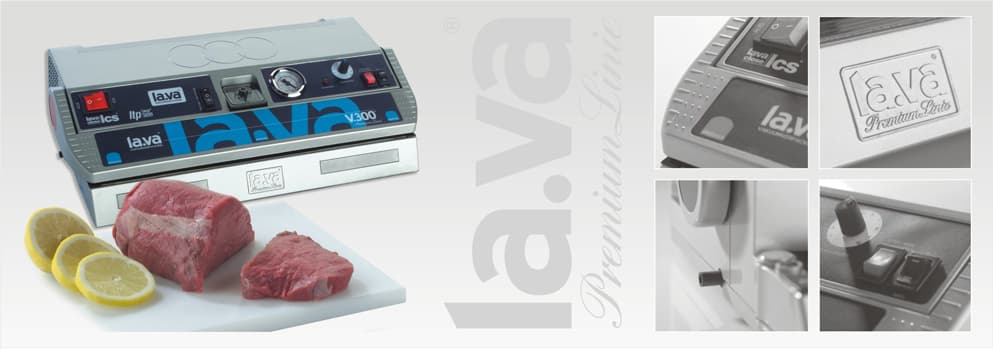
Any LAVA machine with a 42 cm+ sealing width handles most home aging cuts. The V.300 Premium X is the most popular choice — it seals a full bone-in rib-eye or T-bone with room to spare, and the pressure control setting lets you reduce vacuum for delicate aged steaks.
View V.300 Premium X →