A Family Business from Baden-Württemberg —
44 Years of Precision. In South Africa since 2007.
1 April 2026 · 5 min read
Watch First
Why Choose a Lava Vacuum Sealer? — in English
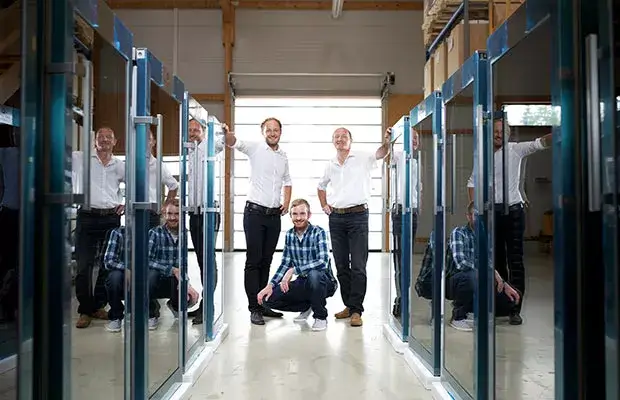
In a small town in Baden-Württemberg, southern Germany, a family started building something that would outlast fashion, trends and cheap competition. In 1982, the Landig family founded what would become LAVA — one of the world's most respected vacuum sealer brands. Not because they had the biggest factory or the most aggressive marketing. Because they had an obsession: build it right, or don't build it at all.
How Did LAVA Build Premium Vacuum Sealers for 40 Years?
When LAVA started, vacuum sealing was an industrial process. Butcheries and food processors used large, expensive chamber machines. Home cooks had no options. The Landig family saw an opportunity — but they refused to race to the bottom on price.
Instead, they did what German engineers do: they over-engineered everything.Stainless steel where others used plastic. Double sealing strips where others used one. A sealing bar made to last 50,000 cycles instead of 5,000. The result was a machine that genuinely belonged in serious kitchens — and lasted long enough to justify the investment.
LAVA by the Numbers
1982
Founded in Germany
40+
Years of manufacturing
350,000+
Machines sold worldwide
2007
Arrived in South Africa
Why Did LAVA Choose South Africa as Its African Base?
In 2007, Anneke and Wilco Uys discovered LAVA while sourcing equipment for their butchery business. They had tested dozens of vacuum sealers — cheap ones that broke within months, mid-range ones that leaked, commercial units that were overkill for a family operation.
Then they found LAVA. Twenty years later, Anneke still has the first machine she ever tested. It still works perfectly.
That experience became a conviction: South Africans deserved access to the best.Not resold Chinese hardware in German boxes. The real thing — made in Baden-Württemberg, distributed with the same care the Landig family put into building it.
What Does Made in Germany Mean for LAVA Vacuum Sealers?
The phrase gets thrown around casually. But in LAVA's case, it means:
- Design and engineering happens in-house in Baden-Württemberg
- Key components — the sealing bars, vacuum pumps and lid mechanisms — are manufactured in Germany
- Every machine is individually tested before it leaves the factory
- Spare parts are stocked for 10+ years after a model is discontinued
- No planned obsolescence — LAVA machines are designed to be repaired, not replaced
How Does LAVA Support Customers After the Sale?
When you buy a LAVA machine from Lava-SA, you're not buying from a warehouse that ships boxes. You're buying from Anneke and Wilco — who will answer the phone if you have a question, who will troubleshoot a seal problem with you over WhatsApp, and who have personally tested every product they sell.
That's not a marketing claim. It's the only way they know how to do business — and it's why customers who bought their first LAVA machine in 2007 are still buying consumables from us today.
“We don't sell vacuum sealers. We sell the confidence that your food is safe, your investment is protected, and someone is there if you need help.”
Shop LAVA
Find Your Machine
From entry-level domestic to industrial commercial — there's a LAVA for every kitchen.