
Sustainability
Discover Sustainable Sealing
Beyond disposable culture — how vacuum sealing actually reduces waste rather than contributing to it.
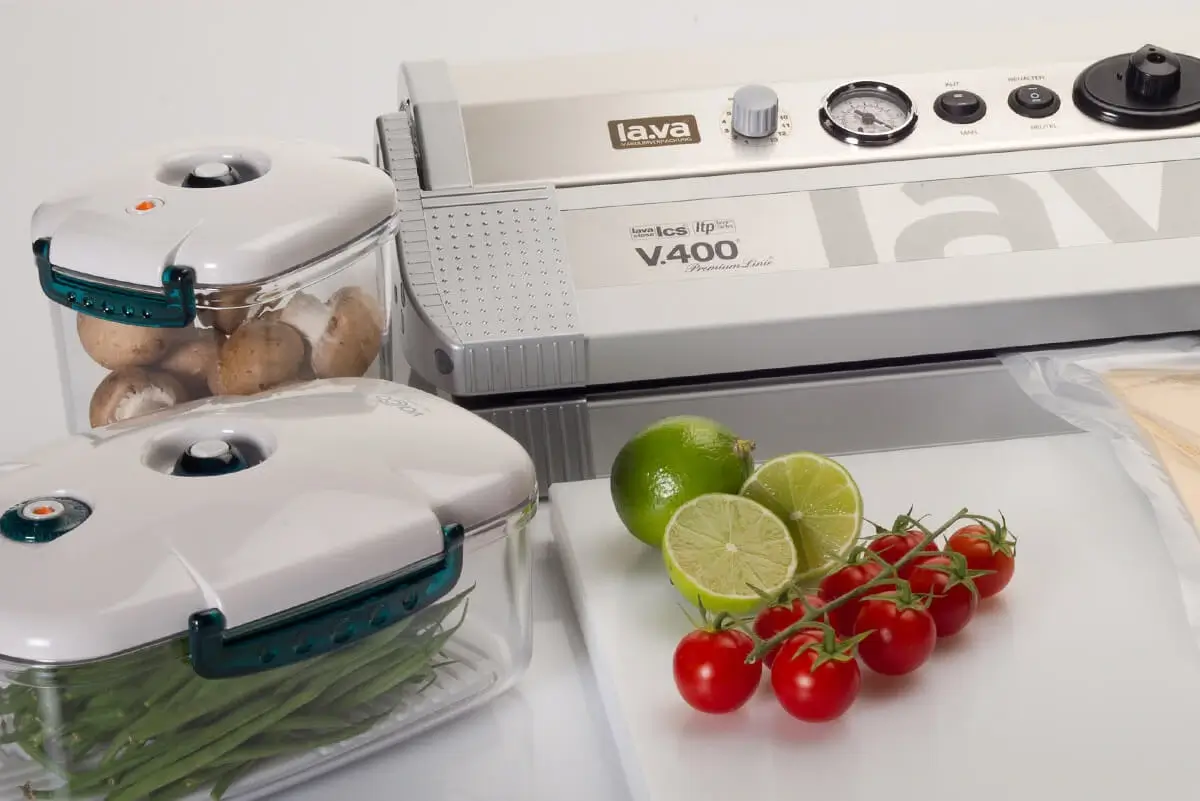
Let's address it directly
Wait — Doesn't Vacuum Sealing Use Plastic?
It's a fair question, and we'd rather answer it honestly than pretend it doesn't exist. Yes — vacuum sealing uses bags, and many of those bags are plastic. So how can we talk about sustainability in the same breath?
The answer lies in what that plastic replaces. The alternative to vacuum-sealing your venison isn't zero plastic — it's a fresh sheet of cling wrap and a freezer bag every few weeks as the food spoils, freezer-burns, and gets thrown away. Multiply that across a year, and the single-use plastic from “non-vacuum” storage far exceeds what a LAVA bag uses.
More importantly: LAVA bags are not single-use. They can be washed and reused multiple times for dry goods — spices, nuts, coffee, cheese. LAVA containers are reusable indefinitely. And the machines last 15–20 years. When you see the full picture, the maths strongly favour vacuum sealing.
“The most sustainable choice is almost always to buy less, and buy better.”
The real numbers
Three Ways Vacuum Sealing Reduces Waste
Food Lasts 3–5× Longer
Vacuum-sealed meat in the freezer lasts 2–3 years vs 3–6 months in standard packaging. Freezer burn is eliminated. Less food thrown away means less food produced needlessly.
Less Impulse Shopping
When you can bulk-buy and vacuum seal at home, you shop less often and waste less on fresh food that spoils before you use it. Fewer trips. Fewer impulse buys. Lower bills.
Reusable Bags & Containers
LAVA bags can be washed and reused for dry goods. Containers last indefinitely. Compare that to a fresh sheet of cling wrap and a new zip-lock bag every single time.
The numbers
How Long Food Actually Lasts
Extending shelf life is the single biggest lever you have on household food waste.
| Food Item | Standard Storage | Vacuum Sealed |
|---|---|---|
| Beef / lamb (frozen) | 3–6 months | 2–3 years |
| Game meat (frozen) | 3–6 months | 2–3 years |
| Fish (frozen) | 2–3 months | 12–18 months |
| Cooked food (fridge) | 3–4 days | 10–14 days |
| Vegetables (fridge) | 3–5 days | 10–15 days |
| Hard cheese (fridge) | 1–2 weeks | 4–8 months |
| Biltong (dry) | 2–3 weeks | 3–6 months |
| Coffee beans (room temp) | 2–4 weeks | 4–6 months |
Are LAVA Bags Reusable?
Yes — with the right contents. LAVA embossed bags are made from food-safe PA/PE multilayer film. For dry goods (nuts, spices, coffee, biltong, dried fruit), the bags can be hand-washed with warm soapy water, air-dried, and resealed multiple times.
For raw meat, fish, or wet marinades, we recommend using a fresh bag each time for food safety reasons — the same rule that applies to any food-contact packaging after raw protein contact.
LAVA's full range of rigid containers and glass jars are reusable indefinitely and eliminate the bag question entirely for foods that suit them — dips, sauces, ferments, and dry pantry staples.
The bigger picture
A Machine Built Not to Be Replaced
Planned obsolescence is one of the most wasteful forces in modern manufacturing. A cheap appliance that fails in two years creates far more environmental damage than the energy cost of making a LAVA machine that runs for twenty.
LAVA machines are repairable. Every serviceable component — sealing strip, liquid trap lid, vacuum seals — is available from Lava-SA. Spare parts are stocked for 10+ years after a model is discontinued. You will never be left with landfill.
Make the switch
Seal Smarter. Waste Less.
Browse LAVA vacuum machines and start reducing your household food waste today.
Pillar Guide Links